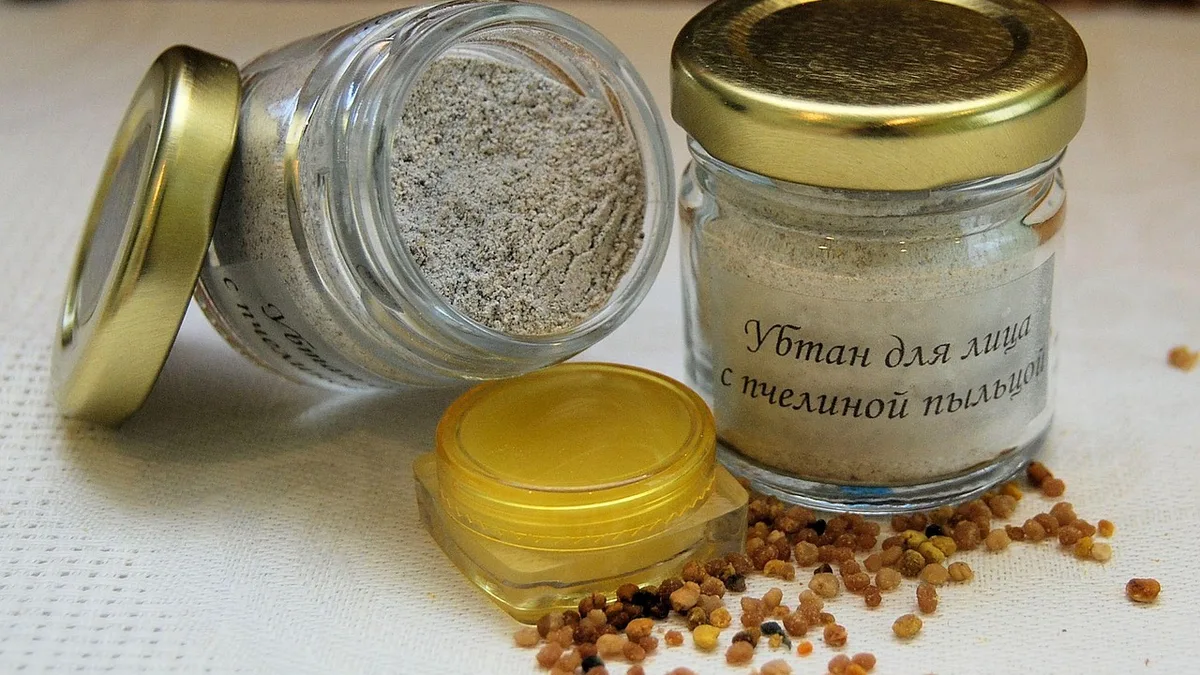
Cornstarch Hair Mask: Natural Recipe, Conditioning Science, and Preservation Requirements for Commercial Sale
The cornstarch hair mask (utilizing corn starch, INCI: Zea Mays Starch) has emerged as one of the most popular DIY home recipes for curly, dry, or dehydrated hair. Economical, easy to prepare, and remarkably effective at defining curls and restoring natural shine, this recipe appeals through its simplicity. However, commercializing a starch-based hair care treatment across the European Union requires overcoming complex regulatory and microbiological stability challenges under Regulation (EC) No 1223/2009. Here is our comprehensive regulatory and formulation guide.
💡 Commercializing a starch-based hair mask or deep conditioning treatment? Ensure complete regulatory compliance for your formulations. Calculate your compliance fees in 2 minutes with our configurator.
The Chemistry and Conditioning Mechanism of Cornstarch Hair Masks
The conditioning efficacy of cornstarch on hair stems from its high concentration of starch, a natural plant glucose polymer composed of two distinct chemical fractions: amylose and amylopectin.
When heated in water (gelatinization), starch granules swell, absorb water, and form a smooth, viscous colloidal gel. Applied to hair, this gel leaves an ultra-fine, hydrophilic protective film that:
- Locks moisture inside the hair fiber, significantly reducing cuticular water evaporation.
- Smooths elevated cuticle scales, enhancing light reflection, gloss, and combability.
- Lightly sheathes hair strands without lipid buildup, helping structure and define natural curls.
Personal Use (DIY) Recipe: Whisk 2 tablespoons of cornstarch into 250 ml of cold water. Heat gently over low heat while stirring continuously until a smooth, translucent gel forms. Allow to cool to lukewarm. Blend in 1 tablespoon of nourishing plant oil (jojoba or argan) and optionally 2 drops of lavender essential oil. Apply to clean, damp hair, leave on for 20 to 30 minutes, and rinse thoroughly with warm water.
Transitioning from home kitchens to commercial retail mandates the compilation of an official cosmetic PIF. To understand foundational compliance frameworks for hair treatments, explore our guide on hair care PIF.
🔬 Insights from our Cosmetic Safety Assessor
"Cornstarch (INCI: Zea Mays Starch) represents an ideal nutrient substrate for opportunistic microorganisms, including bacteria, yeasts, and molds. An unpreserved aqueous starch gel degrades and spoils within 24 to 48 hours. For commercial distribution, microbiological stabilization represents the primary technical hurdle. An ISO 11930 preservation challenge test is strictly mandatory to prove preservative efficacy. In addition, hydrated starch systems tend to undergo retrogradation over time, expelling water and thinning out. Accelerated stability testing must validate physical gel consistency and emulsion integrity within the commercial container."
Regulatory Compliance Roadmap for Starch-Based Hair Masks
To market a starch-based hair treatment legally in France, the EU, or the UK, brands must complete the following regulatory steps:
- Stability and container compatibility testing: Accelerated aging tests at 40°C over 8 to 12 weeks to confirm that the gel does not liquefy (starch retrogradation) and that pH remains stable in the final packaging.
- Microbiological challenge testing: A 28-day laboratory preservation efficacy test under ISO 11930, essential to confirm consumer safety.
- Cosmetic Product Safety Report (CPSR): Toxicological risk evaluation and official Part B sign-off by a qualified Cosmetic Safety Assessor under Article 10(2) of Regulation (EC) No 1223/2009. Raw material botanical purities and pesticide residues are rigorously vetted.
- European CPNP notification: Compulsory electronic registration of the finished product on the CPNP portal prior to retail distribution.
Our regulatory team delivers turnkey compliance packages for hair care brands. Review our service details and rates in our PIF services guide.
⚠️ 3 Frequent Compliance Pitfalls in Starch Formulations
- Rapid microbiological degradation in open jars: Repeatedly introducing wet fingers into a wide-mouth jar under warm shower conditions introduces massive microbial loads, demanding an exceptionally robust preservative architecture to pass challenge testing.
- Rancidity of co-formulated botanical oils: Starch matrices can accelerate lipid oxidation in unsaturated plant oils unless the formula contains lipophilic antioxidants such as tocopherol (Vitamin E).
- Non-compliant permanent straightening claims: Advertising a natural starch mask as a permanent straightening treatment or natural Brazilian blowout without rigorous clinical instrumental proof violates Regulation (EU) No 655/2013 on cosmetic claims.

Cross-Category Regulatory Links
If your brand also formulates complementary cleansing or styling products, explore our specialized guides:
- For liquid cleansing formulas, explore our guide on liquid shampoo regulation.
- For artisanal cleansing bars, review our guide on homemade shampoo PIF.
- For botanical DIY shampoo formulas, see our guide on natural shampoo formulation PIF.
Frequently Asked Questions About Cornstarch Hair Masks
- Can other botanical starches be utilized in cosmetic hair masks?
- Yes. Potato starch (INCI: Solanum Tuberosum Starch), tapioca starch (INCI: Tapioca Starch), and rice starch (INCI: Oryza Sativa Starch) exhibit similar gelatinization and film-forming properties. The safety assessor reviews raw material technical specification sheets (TDS) for each starch source to confirm microbiological cleanliness and the absence of pesticide residues.
- Is a cornstarch hair mask suitable for all hair types?
- Cornstarch masks are particularly recommended for dry, dehydrated, or textured hair types. On very fine or oily hair, repeated starch deposition can cause buildup and weigh strands down. Clear usage instructions and target hair type declarations should be featured on commercial packaging to guide consumers.
- Which natural preservative systems effectively stabilize aqueous starch gels?
- For natural or organic-certified positioning, synergistic blends of benzyl alcohol and dehydroacetic acid (such as Geogard 221 or Cosgard) or sodium benzoate combined with potassium sorbate represent reliable preservative systems. The pH of the gel must be adjusted and buffered below 5.5 to ensure maximum organic acid efficacy and pass ISO 11930 challenge testing.
Configure Your Cosmetic PIF Project Live
Calculate your EU Cosmetic PIF & CPSR Price
Select your profile, galenic formula type, and laboratory test status to get an instant, transparent regulatory estimate.