Cosmetic Challenge Test: The Preservative Efficacy Test (ISO 11930) Decrypted
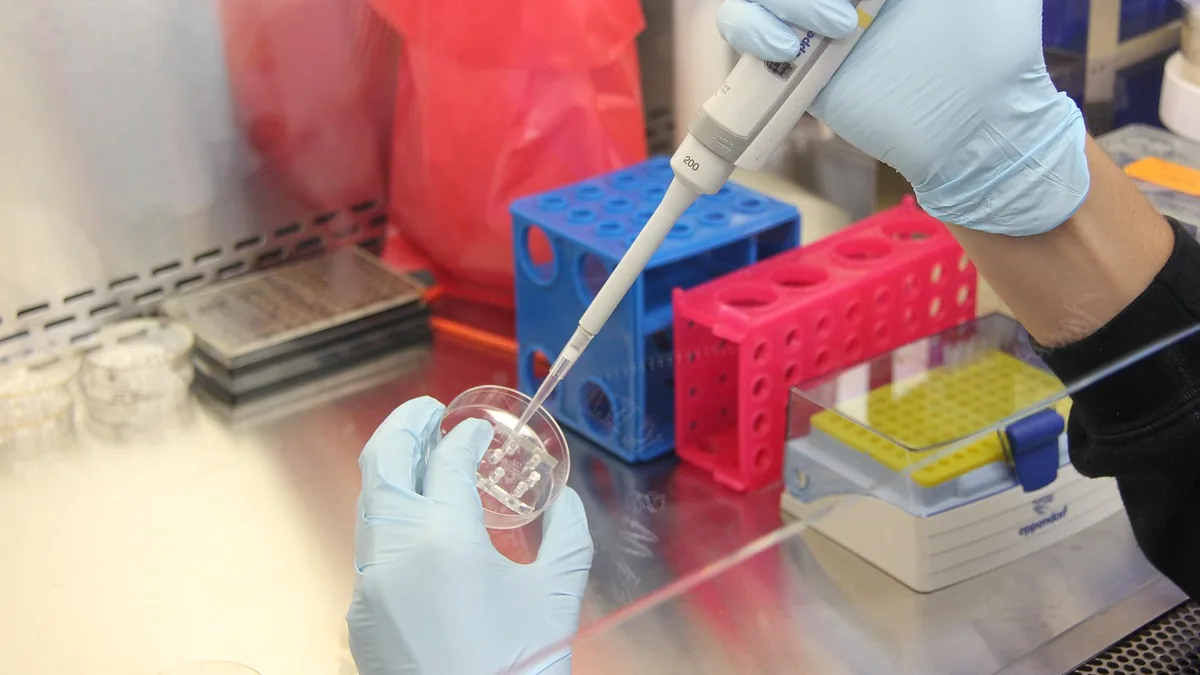
In the battery of mandatory laboratory tests required before placing a cosmetic product on the European market, the microbiological challenge test - also designated as the preservative efficacy test (PET) under international standard ISO 11930 - holds a pivotal safety position. Any cosmetic formulation containing water is vulnerable to microbial colonization by bacteria, yeasts, and molds. A contaminated cosmetic poses severe health risks to consumers, ranging from cutaneous infections to ocular ulceration. Under Regulation (EC) No 1223/2009, substantiating the efficacy of your preservation system is a statutory prerequisite for obtaining a valid Cosmetic Product Safety Report (CPSR). Here is our comprehensive regulatory guide to the cosmetic challenge test.
💡 Planning a microbiological challenge test for your aqueous cosmetic formulation? Learn the requirements and regulatory steps. Estimate your costs in 2 minutes with our configurator.
What Is the Challenge Test and Why Is It Mandatory?
The challenge test simulates the accidental microbial contamination a cosmetic formulation encounters throughout manufacturing, packaging, and repeated daily consumer use:
- Standardized biological inoculation: In an accredited microbiology laboratory, the formulation is deliberately inoculated with high concentrations (approximately 10^5 to 10^6 CFU/g) of five reference microbial strains:
- Gram-negative bacteria: Pseudomonas aeruginosa and Escherichia coli
- Gram-positive bacteria: Staphylococcus aureus
- Yeast: Candida albicans
- Mold: Aspergillus brasiliensis
- 28-day kinetic monitoring: Viable microbial counts are measured at defined intervals: Day 7, Day 14, and Day 28. The preservative system must demonstrate a significant logarithmic reduction in vegetative microbes without allowing fungal regrowth.
- Evaluation criteria (Criterion A vs Criterion B): ISO 11930 defines Criterion A as the gold standard of robust preservation (total microbial kill without resurgence). Criterion B represents an acceptable threshold when justified by specific protective packaging (such as airless pump dispensers).
The challenge test report forms a compulsory component of Part A (Section 3) of the PIF. To understand the broader regulatory framework, review our guide on the cosmetic PIF and explore our tailored PIF services.
🔬 Cosmetic Safety Assessor Insights
"A cosmetic challenge test requires an incompressible 28-day testing protocol in the laboratory - a timeline dictated by the biological incubation cycles of bacteria, yeasts, and molds. It is biologically impossible to shorten this 28-day duration. Furthermore, the test must be performed on the final finished formulation in its definitive commercial state (with its final preservative dosage and fragrance). If the formulation fails at Day 28 due to mold proliferation, the formula must be rebalanced, requiring another full 28-day re-test. Anticipating this testing window is vital to maintaining your product launch schedule."
Which Cosmetic Formulations Are Exempt from Challenge Testing?
Under international standard ISO 29621 ('Cosmetics - Microbiology - Guidelines for the risk assessment and identification of microbiologically low-risk products'), certain formulations create conditions hostile to microbial growth, justifying an exemption in the CPSR:
- Anhydrous formulations (water activity Aw < 0.75): Pure vegetable oils, anhydrous balms, lipsticks, and dry salt/sugar scrubs containing no free water.
- High-alcohol formulations (ethanol >= 20%): Eau de parfum, toilet waters, and alcoholic body mists where ethanol functions as an intrinsic self-preserving antimicrobial agent.
- Extreme pH formulations: Products formulated at pH < 3.0 (strong chemical peels) or pH > 10.0 (depilatory creams).
- Single-dose sealed packaging: Hermetically sealed single-use ampoules packaged under aseptic conditions.
For qualifying products, our qualified Safety Assessor writes a formal ISO 29621 scientific justification in Part A of the CPSR, eliminating the need for laboratory challenge testing.
⚠️ 3 Frequent Errors That Cause Challenge Test Failure
- Formulating outside active preservative pH ranges: Organic acid preservatives (such as sodium benzoate, potassium sorbate, or dehydroacetic acid) require an acidic pH (strictly between 4.5 and 5.5) to remain active in their undissociated antimicrobial form. If formulation pH rises above 5.5, they lose efficacy and the test fails.
- Inactivation by non-ionic surfactants: High concentrations of ethoxylated emulsifiers or polysorbates can trap lipophilic preservatives (such as parabens or phenoxyethanol) within micellar cores, preventing them from combating microbes.
- Underestimating mold resilience: Aspergillus brasiliensis spores are exceptionally hardy. Natural formulas that inhibit bacteria often fail against molds if a dedicated antifungal active (such as potassium sorbate) is omitted.
Integrating the Challenge Test into Your Regulatory Workflow
To ensure a smooth regulatory path toward commercialization, align your laboratory testing with downstream administrative milestones:
- Verify Good Manufacturing Practices with our cosmetic GMP compliance check guide.
- Complete your mandatory facility filing with our ANSM cosmetic facility declaration guide.
- Explore comprehensive project management through our dedicated PIF regulatory support.
Frequently Asked Questions About the Cosmetic Challenge Test
- Can I test my formula before locking the definitive fragrance?
- No. Fragrances and essential oils contain active organic constituents (such as terpenes, phenols, and alcohols) that contribute to formula antimicrobial defense. If you alter the fragrance after conducting the challenge test, the regulatory validity of the test report is voided, requiring a new test on the modified formula.
- What is the difference between an initial microbiological count and a challenge test?
- An initial microbiological count (ISO 21149 and ISO 16212) measures the baseline bioburden present in a batch at time zero to verify manufacturing hygiene. A challenge test (ISO 11930) deliberately inoculates high pathogen levels to prove that the preservative system can continuously destroy contamination introduced by consumers throughout 28 days.
- Is a challenge test required for artisanal cold-process soap?
- No. Solid cold-process soaps feature low water activity (Aw < 0.75 once cured) and an alkaline pH (typically 9.0 to 10.0), making them microbiologically hostile environments under ISO 29621. The Safety Assessor justifies an exemption in the CPSR.
Configure Your Cosmetic PIF Project Live
Calculate your EU Cosmetic PIF & CPSR Price
Select your profile, galenic formula type, and laboratory test status to get an instant, transparent regulatory estimate.