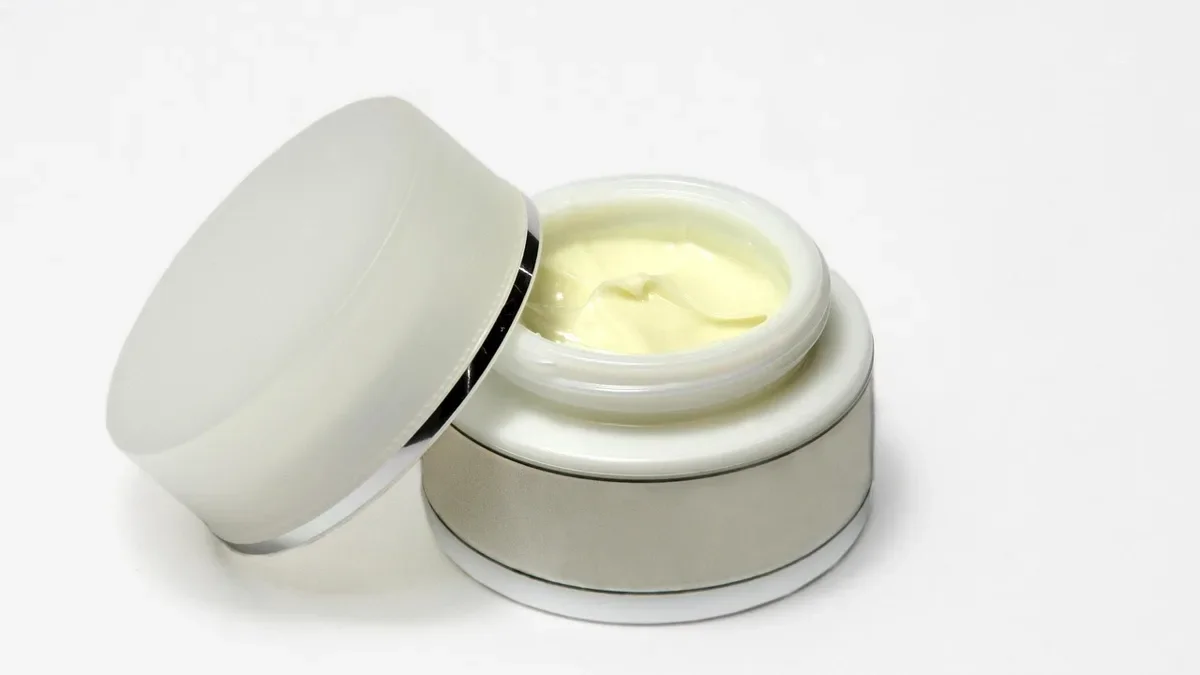
Eye Contour Skincare: Specific Formulation Rules, Ocular Tolerance, and PIF Compliance
The periorbital eye contour area is the most delicate and vulnerable cutaneous zone on the human face. With an epidermal thickness four times thinner than the rest of the face (approximately 0.5 mm), minimal subcutaneous adipose tissue, virtually no sebaceous glands, and relentless mechanical stress from blinking, it is the first area to exhibit dehydration lines, dark circles, and puffiness. Formulating an eye contour cream, gel, or serum requires extraordinary technical precision. Its immediate proximity to the ocular mucosa demands neutral pH calibration, strict selection of non-migrating emollients, and rigorous ocular tolerance testing under Regulation (EC) No 1223/2009. Here is our complete regulatory compliance guide.
💡 Formulating an anti-dark-circle serum, de-puffing gel, or smoothing eye cream? Secure the regulatory compliance of your periocular formulas. Estimate your costs in 2 minutes with our configurator.
Periorbital Sensitivity and Ingredient Selection Guidelines
Formulating for the eye contour area demands an uncompromising approach to biocompatibility:
- Physiological pH alignment: While facial skin typically exhibits an acidic pH between 4.8 and 5.5, the ocular tear film is neutral (pH 7.0 to 7.4). Eye contour formulations must be strictly buffered between pH 6.5 and 7.2 to prevent intense stinging or conjunctival irritation if product migrates into the eye.
- High-viscosity, non-migrating lipid phases: Using volatile silicones or low-viscosity spreading oils causes capillary creep into the ocular globe. Formulators favor structured emollients, plant waxes, and squalane that stay precisely where applied.
- Fragrance-free imperative: Fragrances, essential oils, and synthetic perfume allergens are the primary causes of periocular contact dermatitis. Eye contour formulations should ideally be 100% fragrance-free.
- Targeted microcirculation actives: Caffeine (INCI: Caffeine), butcher's broom extract (Ruscus Aculeatus), cornflower hydrosol, and low-molecular-weight hyaluronic acid to drain lymphatic puffiness and hydrate without irritation.
The eye contour PIF gathers all formulation specifics, ocular safety testing, and stability records. To explore baseline standards for facial cosmetics, review our guide on the face care PIF and our foundational pillar on the cosmetic PIF.
🔬 Cosmetic Safety Assessor Insights
"Due to direct proximity to the conjunctival mucosa, European regulations require in vitro ocular tolerance testing to validate Part B of the CPSR. The HET-CAM test (Hen's Egg Test on the Chorioallantoic Membrane) and the BCOP assay (Bovine Corneal Opacity and Permeability) evaluate vascular lysis, hemorrhage, and coagulation potential. In Part B of the CPSR, our qualified Safety Assessor specifically examines ocular test scores, preservative selection, and periorbital dermal absorption metrics."
Step-by-Step Regulatory Compliance for Eye Contour Products
To market an eye contour cosmetic lawfully in France, the European Union, or Switzerland, complete the following milestones:
- Stability and container compatibility testing: Accelerated testing at 40°C for 8 to 12 weeks to confirm emulsion stability, viscosity retention, and packaging compatibility (airless pumps or ophthalmic cannula tubes).
- Microbiological challenge testing: Mandatory under ISO 11930 to substantiate preservative efficacy across the anticipated product lifecycle.
- In vitro and clinical ophthalmological testing: HET-CAM or BCOP ocular screening followed by clinical in vivo usage trials under ophthalmological control on volunteers (including contact lens wearers and sensitive eye panels).
- CPNP notification: Mandatory registration on the European Cosmetic Product Notification Portal prior to commercial distribution.
Our regulatory team provides comprehensive support for your projects. Review our transparent packages and details in our tailored PIF services overview.
⚠️ 3 Common Regulatory Pitfalls in Eye Contour Compliance
- Formulating at an excessively acidic pH: Formulating at pH < 5.5 (suitable for standard facial skin) triggers burning and stinging if product migrates into the eye. pH must be buffered toward physiological tear neutrality.
- Using irritating or sensitizing preservatives: Preservatives such as methylisothiazolinone (banned in leave-on cosmetics) or high levels of benzyl alcohol can cause acute palpebral eczema.
- Unsubstantiated ophthalmological claims: Claiming 'suitable for sensitive eyes' or 'ophthalmologically tested' without formal clinical trials signed by a certified ophthalmologist represents a regulatory violation under Regulation (EU) No 655/2013.
Interconnected Regulatory Compliance for Your Cosmetic Range
If you also formulate complementary facial skincare and hygiene cosmetics, explore our specialized guides:
- For gentle eye makeup cleansers, review our guide on makeup remover regulation.
- For exfoliating facial products, consult our guide on face scrub regulation.
- For intensive skin treatments, explore our guide on face mask regulation.
Frequently Asked Questions About Eye Contour Skincare Regulations
- Is ophthalmological testing legally mandatory for all eye creams?
- While basic in vitro ocular tolerance testing (such as HET-CAM) is an absolute requirement for the toxicological safety assessment, conducting clinical in vivo trials under ophthalmological supervision is legally mandatory if you wish to state 'tested under ophthalmological control' or 'suitable for contact lens wearers' on your packaging.
- Can retinol be used in an eye contour formula?
- Yes, but under strict regulatory ceilings. In addition to the EU restrictions capping retinol at 0.3% in facial leave-on products (Regulation (EU) 2024/996), formulating retinol for the periocular area demands extreme dilution (typically 0.01% to 0.05%) and rigorous tolerance validation to prevent periocular erythema and conjunctivitis.
- Why are airless dispensers strongly recommended for eye contour care?
- Airless pumps or narrow ophthalmic cannula tubes prevent air and finger contact with the formula during repeated daily applications. This hygienic barrier minimizes microbial contamination risks and allows formulators to utilize ultra-gentle, low-dose preservative systems compatible with delicate periocular skin.

Configure Your Cosmetic PIF Project Live
Calculate your EU Cosmetic PIF & CPSR Price
Select your profile, galenic formula type, and laboratory test status to get an instant, transparent regulatory estimate.