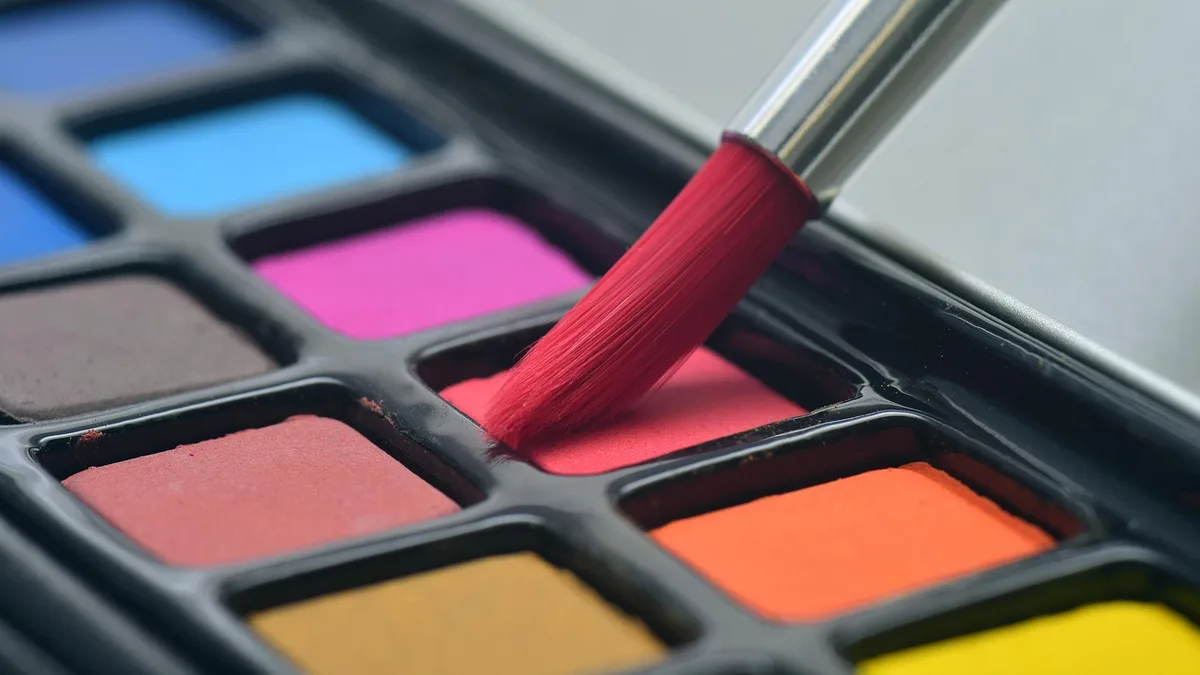
Eyeshadow: Formulation Secrets for Pressed Powders and Regulatory Requirements
Eyeshadow is the flagship cosmetic product used to define, shade, and illuminate the eyes. Whether produced as loose mineral powder, pressed powder in metal pans, or rich cream sticks, its formulation blends inert mineral fillers, colored pigments, and lipid binding agents. However, its direct application onto the exceptionally delicate skin of the upper eyelid, subjected to constant blinking and placed in immediate contact with the ocular conjunctiva, requires stringent ocular tolerance and toxicological safety under Regulation (EC) No 1223/2009. Here is our comprehensive compliance guide.
💡 Launching an eyeshadow palette or color makeup range? Ensure the regulatory compliance of your cosmetic formulas. Estimate your compliance costs in 2 minutes with our configurator.
The Chemistry of Eyeshadow: Mineral Powders, Pigments, and Binders
A high-performance pressed powder eyeshadow depends on an exact physical balance between dry mineral powders and a liquid binder to enable mechanical compaction without crumbling during transit:
- The pulverulent base (substrate): talc (INCI: Talc), mica (INCI: Mica), or cornstarch. They provide silky softness, smooth payoff, and effortless blending across the eyelid. Talc must be certified 100% free from asbestos fibers.
- The colored phase (pigments): iron oxides (CI 77491, CI 77492, CI 77499), titanium dioxide (CI 77891), ultramarines (CI 77007), ferric ferrocyanide (CI 77510), and organic colorants specifically authorized for periocular use under Annex IV of Regulation (EC) No 1223/2009.
- The lipid binder (cohesion): tailored blends of botanical oils, synthetic esters, or dimethicone that coat powder particles and bind them firmly under hydraulic pressure into the metal godet.
The PIF compiles all formulation parameters, colorant purity assays, and compaction stability data. To understand the overarching European regulatory requirements for color cosmetics, consult our guide on makeup cosmetic regulation and our reference page on the general cosmetic PIF.
🔬 Insights from our Cosmetic Safety Assessor
"Anhydrous pressed powder eyeshadows containing zero free water represent an exceptionally low microbiological risk according to ISO 29621. As such, they are exempt from preservative challenge testing, streamlining the technical file. Conversely, inhalation risks associated with airborne particulates during manufacturing and stringent talc purity testing (certified absence of asbestos fibers) are non-negotiable safety criteria that must be documented in the CPSR Part A."
Steps for Regulatory Compliance of Your Eyeshadow Range
To legally market your eyeshadows in France, Switzerland, and across the EU, you must complete the following stages:
- Stability and compaction testing: accelerated stability testing at 40°C for 8 to 12 weeks to confirm that binders do not exhibit syneresis (oil bleeding) and standardized drop testing to verify the mechanical integrity of pressed pans.
- Cosmetic Product Safety Report (CPSR): toxicological assessment and formal sign-off by our qualified Safety Assessor. Heavy metal purity in mineral colorants and ocular tolerance evaluation are strictly scrutinized.
- Labeling compliance review: validating the mandatory INCI list, net weight, batch number, PAO (Period After Opening) or Minimum Durability Date (Best before end), and periocular safety warnings.
- CPNP notification: mandatory registration on the European Cosmetic Product Notification Portal prior to product launch.
Our regulatory team provides full turnkey guidance for your makeup portfolio. Review our service details in our dedicated PIF services guide.
⚠️ 3 Frequent Regulatory Pitfalls in Eyeshadow Formulations
- Using unauthorized eye-area colorants: several organic colorants allowed in lipsticks are strictly prohibited in eye-area cosmetics under Annex IV (e.g., certain D&C Red lakes that cause severe ocular irritation).
- Lack of heavy metal analytical certificates: mineral pigments (micas, iron oxides) must be accompanied by Certificates of Analysis (CoA) demonstrating lead, arsenic, and mercury levels well within SCCS recommended safety margins.
- Drop test failure and crumbling: if a pressed powder shatters upon mild impact, the physical binder ratio is flawed, compromising product quality and compliance documentation.
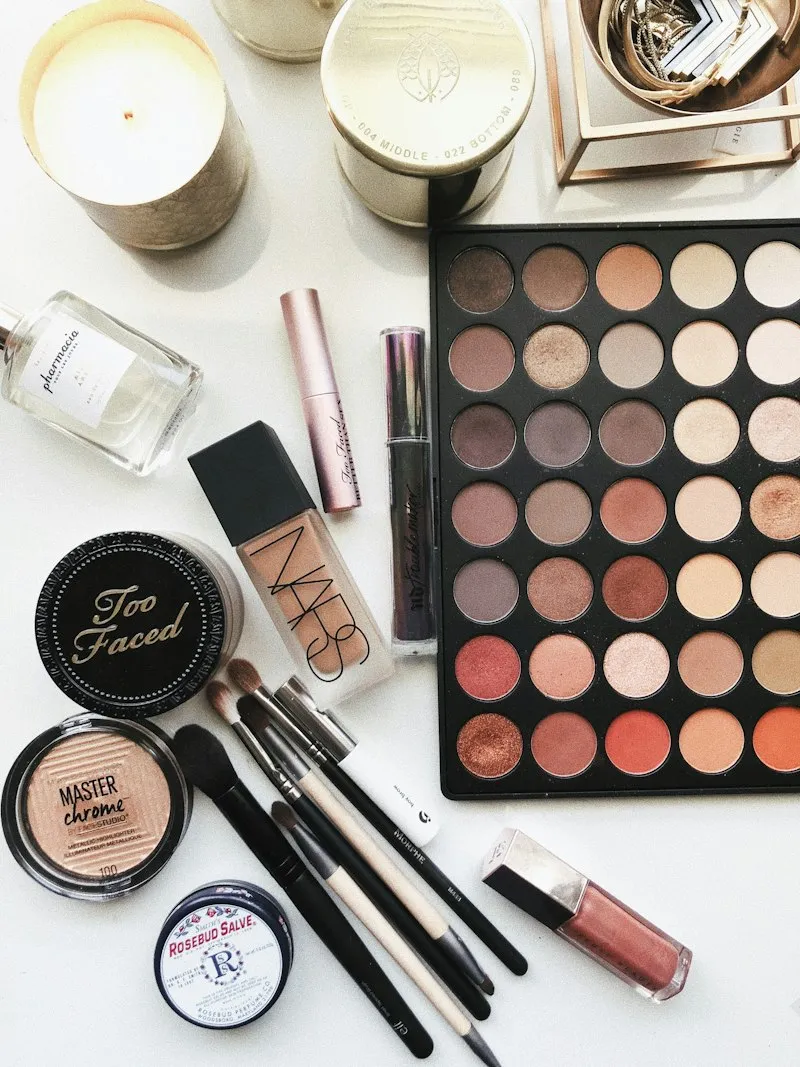
Cross-Regulatory Links with Related Eye and Face Products
If you are formulating a complete makeup collection, explore our related regulatory guides:
- For precision eye lining formulations, consult our guide on eyeliner regulation.
- For lash enhancement formulas, see our guide on mascara eye safety PIF.
- For overall ocular makeup compliance, read our guide on eye makeup regulation.
Frequently Asked Questions About Eyeshadow PIF
- Is eye irritation testing (Ocular tolerance test) mandatory for eyeshadows?
- While animal testing is completely banned in Europe under Regulation (EC) No 1223/2009, ocular safety must be proven through validated alternative methods. The Safety Assessor relies on in vitro assays (such as the BCOP - Bovine Corneal Opacity and Permeability test, or HET-CAM) or controlled ophthalmological in-use trials under ophthalmologist supervision to confirm periocular safety.
- Can I use cosmetic glitters (PET glitter) in European eyeshadows?
- Under Commission Regulation (EU) 2023/2055 restricting synthetic polymer microparticles (microplastics), non-biodegradable plastic glitters (PET, PMMA) are banned from cosmetic sales. Only certified biodegradable, mineral, or cellulose-based glitters complying with microplastic restrictions can be legally used in eyeshadow formulations.
- Are talc-free claims authorized on eyeshadow packaging?
- Yes, provided the claim adheres to Commission Regulation (EU) No 655/2013 on cosmetic claims (truthfulness, evidential support, and fairness). Formulators who replace talc with cornstarch, rice starch, or mica can highlight "talc-free" without disparaging compliant cosmetic talc.
Configure Your Cosmetic PIF Project Live
Calculate your EU Cosmetic PIF & CPSR Price
Select your profile, galenic formula type, and laboratory test status to get an instant, transparent regulatory estimate.