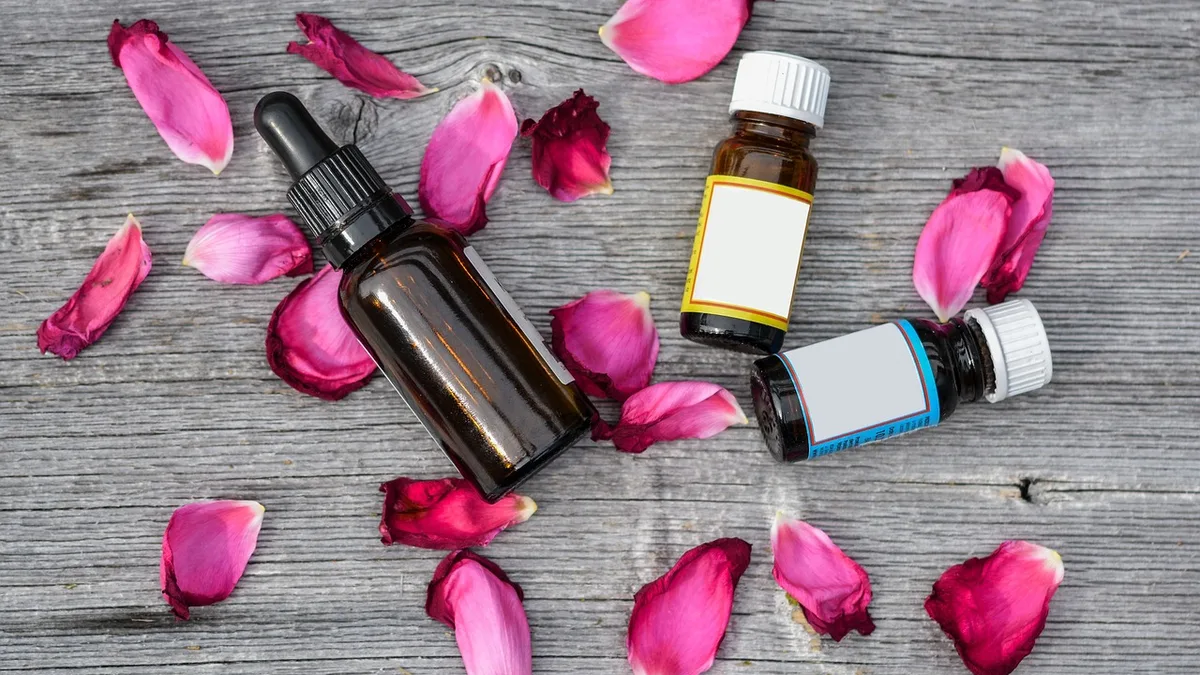
Beard Oil: Natural Formulation Secrets and EU Regulatory Compliance
Beard oil is the essential grooming treatment in modern men's care. Formulated to soften coarse facial hair, hydrate underlying skin prone to irritation and itching, and impart a subtle fragrance, its formulation appears simple: a harmonious blend of botanical oils and aromatic essential oils. However, marketing this cosmetic product legally in France and across Europe requires strict adherence to the regulatory pathway defined by Regulation (EC) No 1223/2009. Here is our comprehensive compliance guide.
💡 Launching a beard oil or men's grooming brand? Ensure formulation safety and estimate your PIF costs in 2 minutes with our configurator.
Formulating High-Performance Natural Beard Oils
A premium beard oil must penetrate the hair fiber quickly without leaving an unpleasant greasy residue on the facial skin. It is formulated in an anhydrous phase using targeted ingredients:
- Castor Oil (Ricinus Communis Seed Oil): High in ricinoleic acid, castor oil fortifies hair, stimulates density, and imparts shine. Because it is thick, it must be balanced with fluid vegetable oils.
- Argan Oil (Argania Spinosa Kernel Oil): Abundant in vitamin E, it nourishes dry facial hair and softens the underlying epidermis.
- Jojoba Oil (Simmondsia Chinensis Seed Oil): A liquid wax ester matching human sebum composition. It balances sebum production and prevents greasy buildup.
- Light Carrier Botanical Oils: Macadamia seed oil, grapeseed oil, or fractionated coconut oil (Caprylic/Capric Triglyceride) to optimize spreadability and absorption.
- Essential Oils and Aromatics: Delivering classic woody or fresh olfactory profiles (Atlas cedarwood, sandalwood, citrus).
Regulatory clearance requires compiling a comprehensive cosmetic PIF. For baseline requirements on hair and beard care, consult our guide on the hair care & beard PIF.
🔬 Insights from our Cosmetic Safety Assessor
"Beard oils are anhydrous formulations. In the absence of free water, they present low microbiological susceptibility under ISO 29621 and are exempt from preservative challenge testing, lowering compliance costs. However, physicochemical stability testing remains required to guarantee the absence of lipid oxidation (rancidity releases irritating aldehydes). Adding an antioxidant such as Tocopherol (vitamin E) at 0.1% to 0.5% is essential to preserve the product's safety profile."
Regulatory Steps to Ensure Compliance for Beard Oils
To market your beard oil legally in France or across the EU, execute the following steps:
- Thermal Stability and Packaging Compatibility: Accelerated thermal aging tests at 40°C over 8 to 12 weeks to verify that fragrance and color remain stable in glass dropper bottles.
- Cosmetic Product Safety Report (CPSR): Toxicological assessment and formal sign-off by our qualified Safety Assessor under Article 10(2), with close review of essential oil exposure near mucous membranes (nose and mouth).
- CPNP Registration: Mandatory notification of every finished cosmetic shade on the European Cosmetic Products Notification Portal prior to distribution.
Our team delivers complete regulatory compliance packages. Find out more about our packages and transparent pricing on our PIF services page.
⚠️ 3 Frequent Compliance Pitfalls in Beard Oils
- Exceeding 1.0% Atlas Cedarwood Essential Oil: Above 1% concentration on the face, skin sensitization risks rise substantially, preventing CPSR approval by the Safety Assessor.
- Undeclared Fragrance Allergens: Distributing beard oils containing undeclared limonene, linalool, or citral breaches European cosmetic labeling regulations and triggers penalties during DGCCRF inspections.
- Unsubstantiated Beard Growth Claims: Advertising that your oil "miraculously accelerates beard growth" or "fills patchy beards" without clinical trials breaches Regulation (EU) No 655/2013 on cosmetic claims.
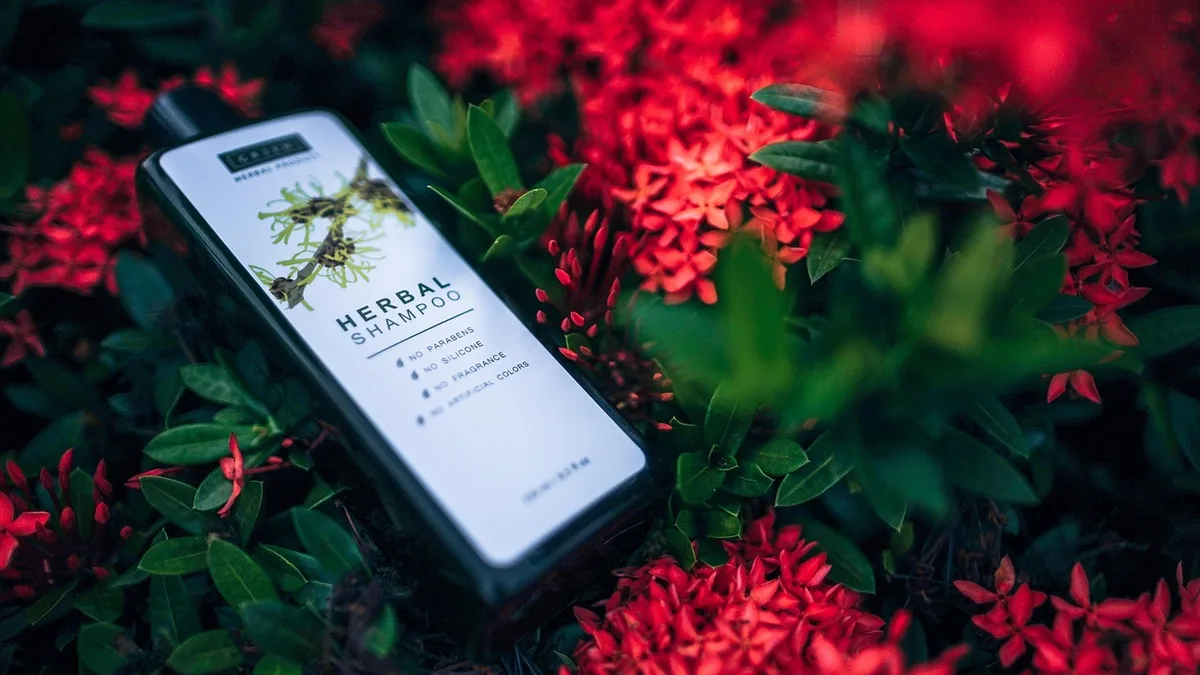
Regulatory Cross-Linking Across Product Categories
If your brand also formulates adjacent grooming or haircare products, explore our specialized guides:
- For general hair nutrition, consult our guide on hair oil regulation.
- For structured textured hair regimens, check our guide on the textured hair routine.
- For intensive conditioning masks, see our guide on hair mask regulation.
Frequently Asked Questions on Beard Oil Regulations
- Is container compatibility testing required for glass dropper bottles?
- Yes. Beard oils are packaged in glass dropper bottles with rubber or elastomer bulbs. Accelerated stability testing (8 to 12 weeks at 40°C) verifies that essential oils do not swell, dissolve, or alter the elastomer pipette bulb, ensuring reliable dosing and leak protection.
- Can linseed (flaxseed) oil be used in beard oil?
- Linseed oil (INCI: Linum Usitatissimum Seed Oil) is exceptionally rich in omega-3 fatty acids and deeply nourishes dry beard hair. However, it oxidizes rapidly. If included, it requires higher tocopherol dosages (0.5%) and amber or opaque glass packaging to shield it from light-induced degradation.
- How do you substantiate a "softens facial hair" claim for beard oil?
- The claim "softens facial hair" is a sensory and functional benefit stemming from the emollient properties of vegetable lipids (castor, argan). It does not require complex clinical trials: a documented consumer panel evaluation during product development provides adequate substantiation for Part B of the PIF.
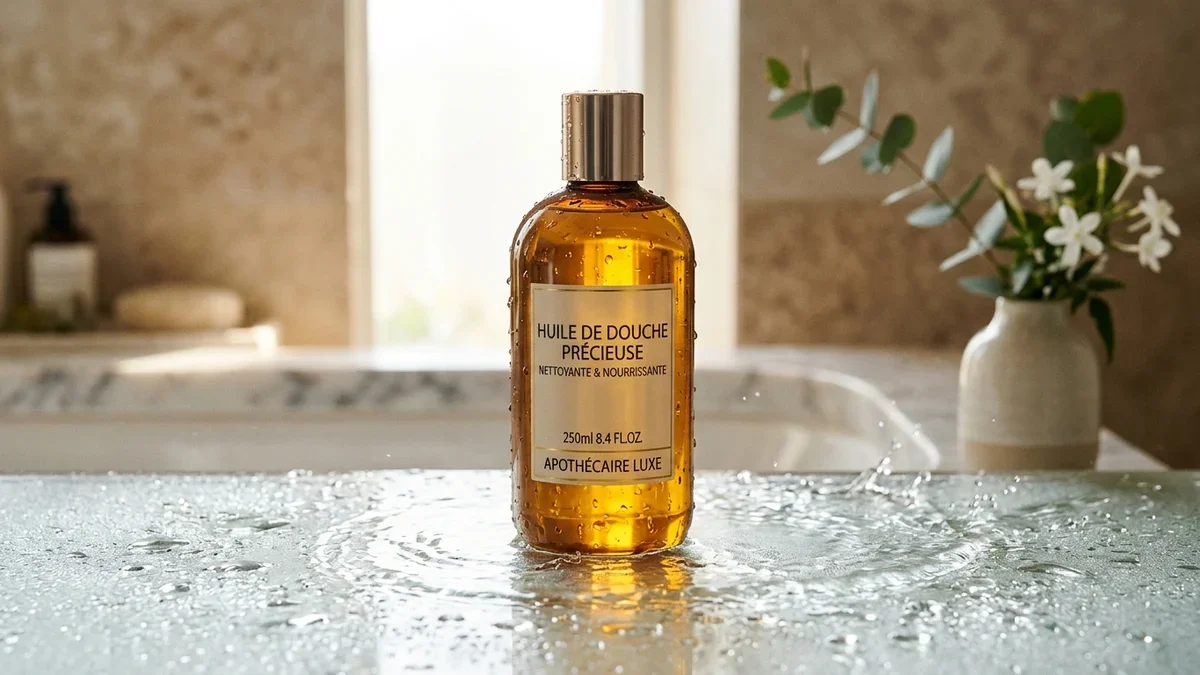
✨ Formulating scented cosmetic oils? Discover our dedicated service on the Perfume PIF & Scented Products (380 € excl. VAT), as well as regulatory compliance for solid perfumes and body mists.
Configure Your Cosmetic PIF Project Live
Calculate your EU Cosmetic PIF & CPSR Price
Select your profile, galenic formula type, and laboratory test status to get an instant, transparent regulatory estimate.