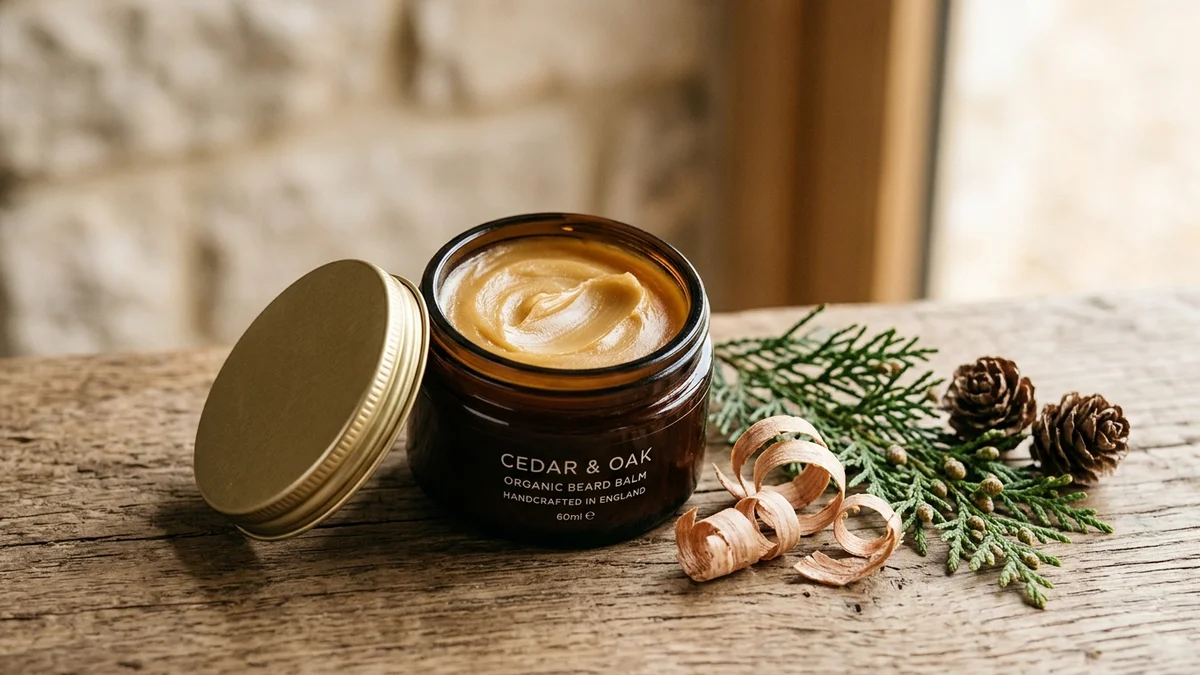
Beard & Hair Wax Regulation: Natural Formulation, Anhydrous Safety, and PIF Compliance
Beard waxes, styling pomades, and conditioning grooming balms are cornerstone cosmetics in the men's grooming industry. Designed to tame unruly beard hairs, provide flexible all-day hold, and condition both facial hair and underlying skin, their formulation relies on a balanced matrix of natural waxes, rich plant butters, botanical oils, and refined essential oil fragrances. Because these styling balms are anhydrous (water-free) cosmetics, they benefit from favorable microbiological regulatory provisions under European law. However, bringing a beard or hair wax to market lawfully in France, the European Union, or Switzerland requires establishing a compliant Product Information File (PIF) and securing CPSR approval under Regulation (EC) No 1223/2009. Here is our complete regulatory compliance guide.
💡 Formulating a beard balm, styling hair wax, or mustache pomade? Take advantage of our Common Base Range Pack for anhydrous formulas. Estimate your costs in 2 minutes with our configurator.
The Composition of a Natural Beard and Hair Wax
Formulating an artisanal beard wax requires calibrating hardness, malleability, and shine:
- Natural structural waxes (20% to 35%): Yellow or white beeswax (INCI: Cera Alba), carnauba wax (Copernicia Cerifera Cera), or candelilla wax (for vegan alternatives). These waxes provide structural hold and thermal resistance, keeping the balm solid at ambient temperature.
- Nourishing botanical butters (25% to 40%): Unrefined shea butter, cocoa butter, or mango butter to impart creaminess, soften bristly facial hair, and condition underlying facial skin.
- Botanical conditioning oils (25% to 40%): Jojoba oil, argan oil, and castor oil (INCI: Ricinus Communis Seed Oil) to deliver healthy shine and strengthen hair fibers.
- Antioxidant protection: Natural Tocopherol (Vitamin E) at 0.2% to 0.5% to protect unsaturated botanical lipids from atmospheric oxidation.
- Fragrance and essential oils (0.5% to 1.5%): Cedarwood, sandalwood, bergamot, or citrus notes to establish signature masculine scent profiles.
The beard wax PIF consolidates formulation records, safety assessments, and stability findings. To understand baseline expectations for personal hygiene and hair care ranges, review our guide on the hair care PIF, our dossier on the beard care PIF, and our foundational pillar on the cosmetic PIF.
🔬 Cosmetic Safety Assessor Insights
"Beard waxes and styling balms are anhydrous cosmetic formulations. Because they contain zero free water, they are classified as microbiologically low-risk cosmetics under ISO 29621. In Part A of the CPSR, our qualified Safety Assessor officially justifies an exemption from the ISO 11930 microbiological preservative challenge test, saving substantial laboratory testing expense. However, because beard balms are applied around the mouth and nose, fragrance composition requires heightened scrutiny. Essential oils must comply strictly with IFRA standards (Category 4 for hair and facial application) and all 26/82 European fragrance allergens must be labeled."
Step-by-Step Regulatory Compliance for Beard Waxes
To market your beard wax lawfully in France, the European Union, or Switzerland, follow these mandatory milestones:
- Thermal stability and crystallization testing: 8 to 12 weeks of accelerated testing at 40°C to verify that butters do not recrystallize into gritty grains ('blooming') and that the balm remains malleable.
- Cosmetic Product Safety Report (CPSR Part A & B): Formal evaluation and signature by our qualified Safety Assessor.
- Good Manufacturing Practices (ISO 22716): Production in a compliant workshop following batch records and raw material traceability.
- CPNP notification: Mandatory registration on the European Cosmetic Product Notification Portal before commercial launch.
Our regulatory team provides comprehensive support for your projects. Review our transparent packages and details in our tailored PIF services overview.
⚠️ 3 Common Regulatory Pitfalls in Beard Wax Compliance
- Overdosing essential oils on facial zones: Applying high essential oil concentrations near perioral mucous membranes can cause contact cheilitis or sensitization. Fragrance loads must remain strictly balanced.
- Texture graininess from butter recrystallization: Rapid cooling of shea butter can cause phase separation of stearic acid crystals, creating unpleasant gritty lumps over time. While not a toxicological danger, physical stability failure invalidates product quality.
- Making hair growth claims: Claiming that a beard balm 'accelerates facial hair growth' or 'reactivates dormant follicles' constitutes an unsubstantiated borderline claim under Regulation (EU) No 655/2013. Stick to cosmetic claims ('disciplines beard hairs', 'softens and conditions').
Interconnected Regulatory Compliance for Your Cosmetic Range
If you also formulate complementary masculine grooming or hair care cosmetics, explore our dedicated guides:
- For hair detox formulations, review our hair clarifying guide.
- For technical hair dossier requirements, see our guide on clarifying shampoo regulation.
- For comprehensive beard care regulations, explore our article on the beard care PIF.
Frequently Asked Questions About Beard Wax Regulations
- Is a challenge test required for an anhydrous beard balm?
- No. Under ISO 29621, anhydrous cosmetic products lacking water are hostile to microbiological growth. The Safety Assessor justifies an exemption from the ISO 11930 challenge test in the CPSR, eliminating the need for preservative testing.
- How does the Common Base Range Pack optimize my regulatory budget?
- If you develop a collection of 4 beard waxes sharing an identical base (for example, the same blend of beeswax, shea butter, and jojoba oil, differentiated only by secondary essential oils), Ecosmet provides the Common Base Range Pack at 800 € excl. VAT for the 4 products, delivering major cost savings over individual evaluations.
- Can I use cosmetic tins (aluminum screw-top jars) for packaging?
- Yes. Aluminum tins with internal protective food-grade varnish are widely favored for beard waxes. Accelerated compatibility testing at 40°C across 8 to 12 weeks verifies that formula fatty acids and essential oils do not degrade the internal lacquer or induce oxidation.
Configure Your Cosmetic PIF Project Live
Calculate your EU Cosmetic PIF & CPSR Price
Select your profile, galenic formula type, and laboratory test status to get an instant, transparent regulatory estimate.