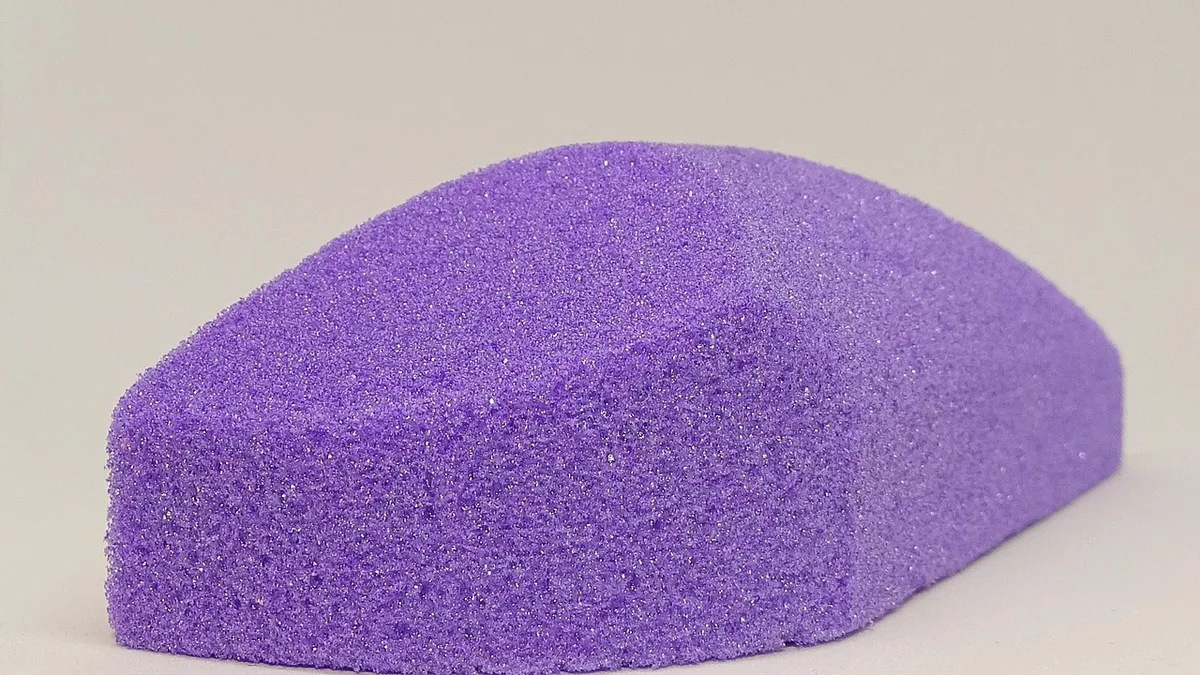
Foot Scrub: Intensive Exfoliating Formulation, Abrasives Selection, and PIF Requirements
Feet are subject to continuous mechanical friction, resulting in thick calluses and a hyper-keratinized stratum corneum, particularly across heels and weight-bearing pressure zones. Foot scrubs are specialized hygiene and wellness treatments formulated to intensively exfoliate these thickened areas using coarse physical abrasives or keratolytic active agents. However, formulating and marketing these personal care products across Europe requires strict compliance with Regulation (EC) No 1223/2009. Here is our comprehensive regulatory compliance guide.
💡 Formulating a foot scrub or intensive foot exfoliant? Ensure full regulatory compliance for your formulas. Estimate your costs in 2 minutes with our configurator.
Chemistry of Foot Scrubs: Physical Abrasives and Keratolytic Agents
Because plantar skin is considerably thicker than the rest of the body, formulating a foot scrub requires robust, coarser exfoliating particles to achieve efficacy:
- Physical Exfoliating Grains: Coarse sea salt, raw cane sugar, volcanic pumice powder (INCI: Pumice), crushed apricot pits, or walnut shell powder. The Safety Assessor verifies grain hardness and particle size for plantar application. Synthetic plastic microbeads (polyethylene) are strictly prohibited across Europe under Commission Regulation (EU) 2023/2055.
- Keratolytic Actives: Salicylic acid (BHA) or glycolic acid (AHA) to weaken corneocyte cohesion and facilitate the shedding of stubborn calluses.
- Emollient Lipid Phase: Shea butter, castor oil, or jojoba oil to nourish the skin and soften remaining calluses post-exfoliation.
- Purifying Essential Oils: Peppermint or tea tree essential oils to refresh and sanitize the plantar epidermis.
The foot scrub PIF compiles this formulation, analytical purity, and safety data. For baseline requirements on body care, consult our guide on the body care & hygiene PIF and our central overview on the cosmetic PIF.
🔬 Insights from our Cosmetic Safety Assessor
"Given the frequent inclusion of acidic keratolytic agents (such as glycolic acid) and concentrated purifying essential oils (tea tree, peppermint), toxicological review in the CPSR requires close scrutiny. Salicylic acid is limited to 2.0% in leave-on products under Annex III and carries specific warning mandates if products might be used by children. Furthermore, in vitro ocular tolerance testing (HET-CAM) is evaluated because involuntary eye contact following foot application must be addressed in safety assessments."
Regulatory Steps to Ensure Compliance for Foot Scrubs
To market your foot scrub legally in France or across the EU, execute the following steps:
- Thermal Stability and Packaging Compatibility: Accelerated thermal testing at 40°C over 8 to 12 weeks to ensure that dense abrasive grains do not settle irreversibly at the bottom of jars or tubes.
- Microbiological Challenge Testing: Compulsory under ISO 11930 for all aqueous exfoliating gels and creams.
- Cosmetic Product Safety Report (CPSR): Toxicological assessment and formal sign-off by our qualified Safety Assessor under Article 10(2), with close review of fragrance and essential oil allergens.
- CPNP Registration: Mandatory notification of every finished cosmetic shade on the European Cosmetic Products Notification Portal prior to distribution.
Our team delivers complete regulatory compliance packages. Find out more about our packages and transparent pricing on our PIF services page.
⚠️ 3 Frequent Compliance Pitfalls in Foot Scrubs
- Using Banned Plastic Microbeads: Strictly forbidden across Europe since October 2023. Formulate exclusively with natural abrasives (pumice, silica, sea salt).
- Undeclared Essential Oil Allergens: Fragrance allergens (limonene, linalool) in rinse-off foot cosmetics must be itemized in the INCI list once exceeding 0.01%.
- Making Prohibited Medical Claims on Infected Fissures: Claiming that a scrub "heals infected cracked heels" or "cures athlete's foot" breaches cosmetic regulations. Retain cosmetic claims ("exfoliates dead surface skin", "smooths rough calluses").
Regulatory Cross-Linking Across Product Categories
If your brand also formulates adjacent body care or sun protection formulas, explore our specialized guides:
- For DIY dry feet recipes, consult our guide on dry feet scrub formulation & PIF.
- For full-body sun protection formulas, review our guide on sunscreen regulation EU.
- For soothing post-sun recovery lines, check our guide on after-sun care regulation.
Frequently Asked Questions on Foot Scrub Regulations
- Is container compatibility testing required for PP foot scrub jars?
- Yes. Foot scrubs are frequently packed in polypropylene (PP) or PET wide-mouth jars. Accelerated stability testing (8 to 12 weeks at 40°C) confirms that the botanical oils and essential oils do not degrade or warp the plastic walls and that threaded lids seal reliably against evaporation.
- Can natural ground pumice be utilized in certified organic foot scrubs?
- Yes, absolutely. Ground pumice stone (INCI: Pumice) is an approved Cosmos mineral abrasive. When blended into an anhydrous vegetable oil base without free water, it yields an effective foot polish that is exempt from challenge testing under ISO 29621.
- How do you substantiate a "smooths rough calluses" claim for a foot scrub?
- The claim "smooths rough skin" or "reveals soft feet" is aesthetic and qualitative. It does not require complex clinical trials: a documented consumer panel evaluation during product development provides adequate substantiation for Part B of the PIF.
Configure Your Cosmetic PIF Project Live
Calculate your EU Cosmetic PIF & CPSR Price
Select your profile, galenic formula type, and laboratory test status to get an instant, transparent regulatory estimate.