Ecosmet
← Back to Home / Services

The Ecosmet Blog

Page 5 of 5 of our regulatory and formulation guides.

Body Cream Regulation: Formulation & PIF Compliance
Cosmetics

Body Cream Regulation: Formulation & PIF Compliance

Body cream regulation: formulation guidelines, skin hydration requirements, and EU PIF safety standards. Body lotions and moisturizing creams cover vast cutaneous surface areas daily. Under Regulation (EC) No 1223/2009, this extensive dermal exposure necessitates rigorous toxicological calculations, strict preservative screening, and Margin of Safety (MoS) validations. Discover our expert guide to bringing body creams lawfully to the European market.

Published on July 13, 2026Read article →

Men's Body Cream: Formulation & PIF Compliance
Cosmetics

Men's Body Cream: Formulation & PIF Compliance

Men's body cream: specific formulation guidelines, lightweight fast-absorbing textures, and EU regulatory requirements. Men's body care is a rapidly expanding segment with distinct physiological preferences. Men generally have thicker skin with higher sebaceous gland activity and denser body hair, demanding non-greasy, fast-absorbing fluid emulsions. In Europe, launching men's body care requires a compliant Product Information File (PIF) under Regulation (EC) No 1223/2009.

Published on July 13, 2026Read article →
Women's Body Cream: Formulation & PIF Compliance
Cosmetics

Women's Body Cream: Formulation & PIF Compliance

Women's body cream: sensory formulation guidelines and EU PIF regulatory safety requirements. Women's body care is a premium cosmetic category emphasizing sensory elegance, velvety textures, and targeted active efficacy (firming, satin glow, deep hydration). In the European Union, large-surface leave-on cosmetics are subject to strict systemic exposure calculations and endocrine disruptor screening under Regulation (EC) No 1223/2009. Discover our expert guide.

Published on July 13, 2026Read article →

Pregnancy Body Cream: Formulation & Safety Assessor Review
Cosmetics

Pregnancy Body Cream: Formulation & Safety Assessor Review

Pregnancy body cream: safe formulation principles and EU PIF regulatory requirements. Pregnancy involves profound hormonal, immunological, and biomechanical transformations, making skin vulnerable to stretch marks and dehydration. Formulating for expectant and nursing mothers requires exceptional toxicological prudence: exclusion of retinoids, avoidance of neurotoxic essential oils, and strict Margin of Safety (MoS) validations under Regulation (EC) No 1223/2009.

Published on July 13, 2026Read article →

Children's Body Cream: Pediatric Safety & PIF Compliance
Cosmetics

Children's Body Cream: Pediatric Safety & PIF Compliance

Children's body cream: pediatric formulation guidelines and EU PIF regulatory safety requirements. The skin of babies and young children is anatomically immature: thinner stratum corneum, high surface-to-body-weight ratio, and evolving metabolic clearance. Regulation (EC) No 1223/2009 imposes explicit statutory requirements for cosmetics intended for children under 3 years old. Discover our expert guide to pediatric cosmetic safety and PIF compliance.

Published on July 13, 2026Read article →
Launch a Cosmetic Brand in the EU: Complete 2026 Regulatory Guide
Cosmetics

Launch a Cosmetic Brand in the EU: Complete 2026 Regulatory Guide

How to launch a cosmetic brand in the European Union: key regulatory milestones, development costs, and compliance steps. Creating your own cosmetic line - from botanical skincare and cold-process soaps to niche perfumes - is a thrilling entrepreneurial venture. However, bringing cosmetic goods to the EU market requires total compliance with Regulation (EC) No 1223/2009. Here is your roadmap to success.

Published on July 13, 2026Read article →
Eye Contour Skincare: Formulation & PIF Compliance
Cosmetics

Eye Contour Skincare: Formulation & PIF Compliance

Eye contour skincare: specific formulation guidelines and EU regulatory requirements. The periorbital eye contour is the thinnest and most sensitive cutaneous zone on the human face, characterized by high capillary vascularization and direct proximity to ocular mucous membranes. Commercializing eye creams, gels, and serums under Regulation (EC) No 1223/2009 requires strict pH calibration and in vitro ocular tolerance testing.

Published on July 13, 2026Read article →

Blemish-Prone Skin Care: Formulation, Legal Claims & PIF
AcneFacial Care

Blemish-Prone Skin Care: Formulation, Legal Claims & PIF

Blemish-prone skin care: natural active formulation principles, legal marketing claims, and EU PIF requirements. Acne and blemish-prone skin affect millions of consumers. While natural actives like tea tree, zinc PCA, and niacinamide are highly effective, European cosmetics regulation strictly prohibits therapeutic drug claims. Discover how to formulate and market compliant blemish care under Regulation (EC) No 1223/2009.

Published on July 13, 2026Read article →

Dry Feet Scrub Formulation: From Recipe to EU PIF Compliance
DIYFoot Care

Dry Feet Scrub Formulation: From Recipe to EU PIF Compliance

Dry feet scrub formulation: natural recipe, exfoliating mechanics, and legal obligations to sell in the EU. Cracked heels, thickened skin, and calluses demand robust natural exfoliation. Turning an artisanal homemade foot scrub recipe into a legally marketable cosmetic requires establishing a compliant PIF, proving stability, and securing CPSR approval under Regulation (EC) No 1223/2009. Here is your complete guide.

Published on July 13, 2026Read article →
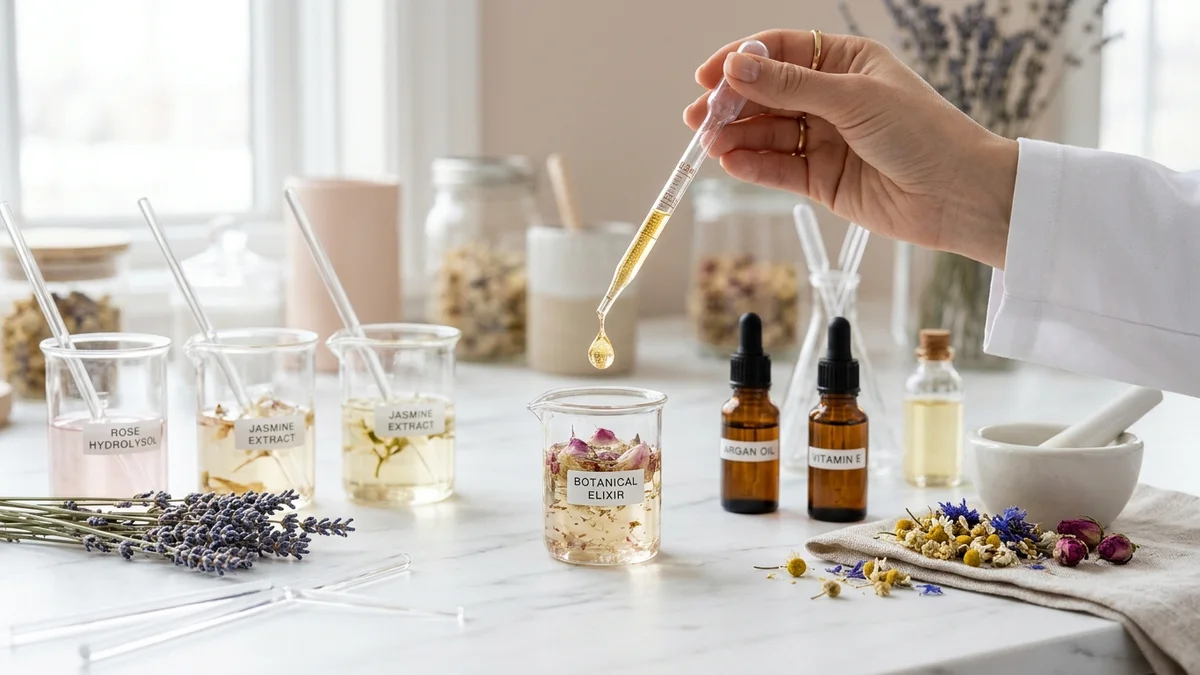
How to Manufacture Cosmetics Legally: EU Regulatory Guide
Cosmetics

How to Manufacture Cosmetics Legally: EU Regulatory Guide

How to manufacture cosmetics legally: from handcrafted laboratory workshop to lawful EU market launch. Creating your own cosmetic product - cold-process soap, body balm, face serum, or shampoo - requires moving beyond DIY home experimentation. European cosmetics regulation imposes strict Good Manufacturing Practices (ISO 22716), raw material qualification, and safety certification under Regulation (EC) No 1223/2009. Here is your roadmap.

Published on July 13, 2026Read article →

Hair Clarifying Guide: Natural Hair Detox & EU Regulation
Cosmetics

Hair Clarifying Guide: Natural Hair Detox & EU Regulation

Hair clarifying guide: understanding natural hair detox formulations and European regulatory standards. Over time, shampoos, conditioners, and styling waxes leave cumulative residues, dulling hair fibers. Hair clarifying treatments - based on gentle surfactants, chelating agents, or mineral clays like rhassoul - effectively reset the hair fiber. Discover the formulation rules and PIF requirements under Regulation (EC) No 1223/2009.

Published on July 13, 2026Read article →

Clarifying Shampoo Regulation: Complete Technical Dossier & PIF
Cosmetics

Clarifying Shampoo Regulation: Complete Technical Dossier & PIF

Clarifying shampoo regulation: complete technical dossier structure and safety requirements. Bringing a hair clarifying cosmetic to market in the EU requires assembling an exhaustive Product Information File (PIF). From chelating active controls and raw material certificates to ISO 11930 challenge tests and CPNP notification, discover the full compliance roadmap under Regulation (EC) No 1223/2009.

Published on July 13, 2026Read article →
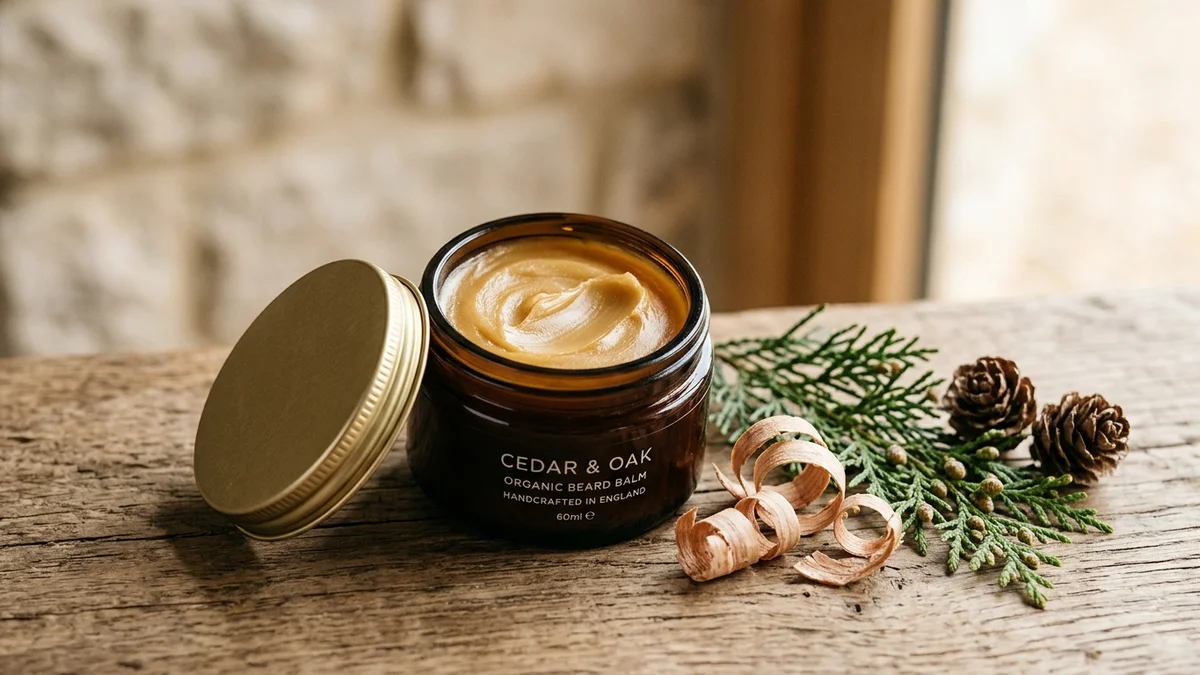
Beard & Hair Wax: Natural Formulation & PIF Compliance
Cosmetics

Beard & Hair Wax: Natural Formulation & PIF Compliance

Beard and hair wax regulation: natural formulation principles and EU PIF compliance. Beard waxes, styling pomades, and grooming balms are flagship men's grooming cosmetics. Formulated as anhydrous lipid matrices of waxes, butters, and plant oils, these products benefit from microbiological challenge test exemptions under ISO 29621. Discover how to market your beard wax legally under Regulation (EC) No 1223/2009.

Published on July 13, 2026Read article →
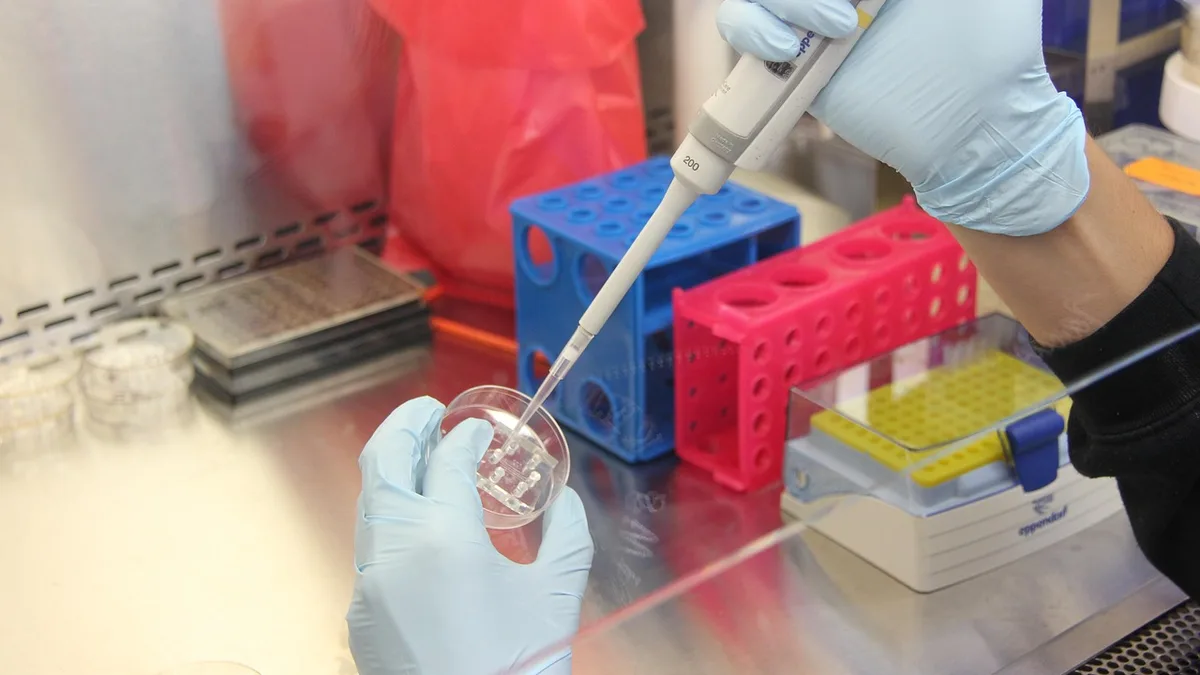
Cosmetic Challenge Test: Preservative Efficacy (ISO 11930) Explained
Cosmetics

Cosmetic Challenge Test: Preservative Efficacy (ISO 11930) Explained

Cosmetic challenge test: the preservative efficacy test (ISO 11930) decrypted for cosmetic brands and formulators. Among mandatory laboratory tests required under Regulation (EC) No 1223/2009, the challenge test verifies that your preservative system protects consumers against bacterial and fungal proliferation over 28 days. Discover how the test works, evaluation criteria, and exemptions under ISO 29621.

Published on July 13, 2026Read article →
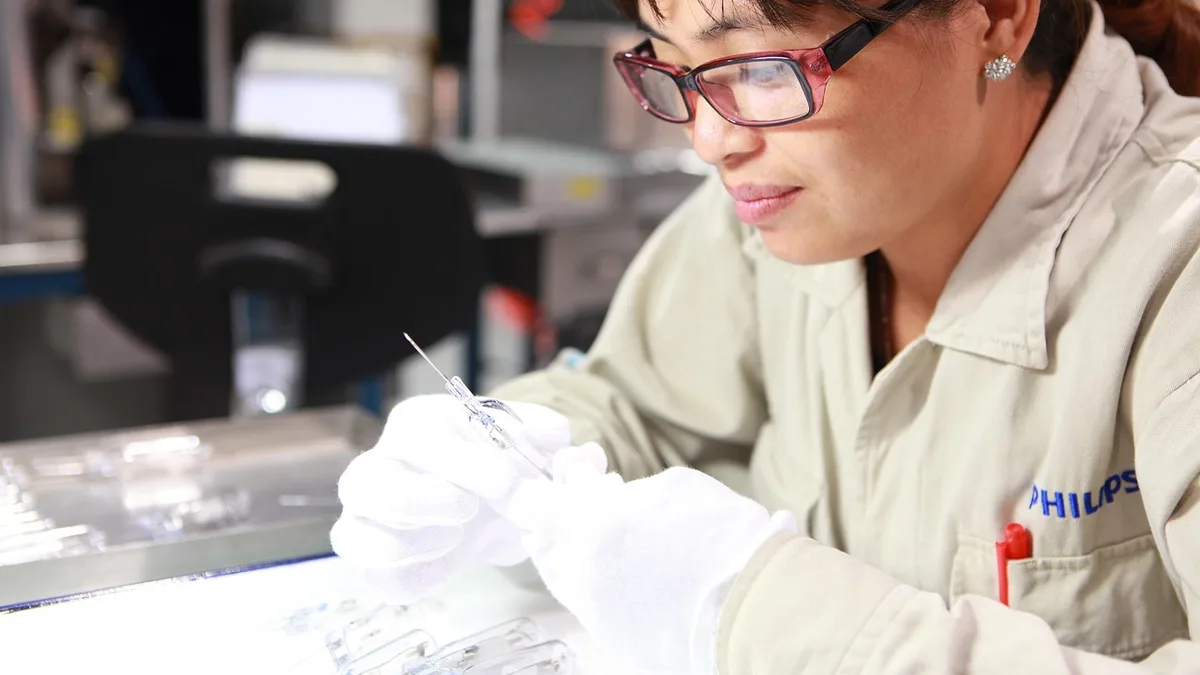
Cosmetic GMP (ISO 22716): Complete Guide to Good Manufacturing Practices
Cosmetics

Cosmetic GMP (ISO 22716): Complete Guide to Good Manufacturing Practices

Cosmetic GMP: complete guide to Good Manufacturing Practices under ISO 22716. In the cosmetics industry, product quality and safety are intrinsically tied to manufacturing hygiene and process control. Article 8 of Regulation (EC) No 1223/2009 makes compliance with ISO 22716 Good Manufacturing Practices a strict legal requirement for all cosmetic manufacturers. Discover the 17 chapters and practical compliance steps.

Published on July 13, 2026Read article →
Lip Balm Regulation: Formulation Guide & PIF Compliance
Cosmetics

Lip Balm Regulation: Formulation Guide & PIF Compliance

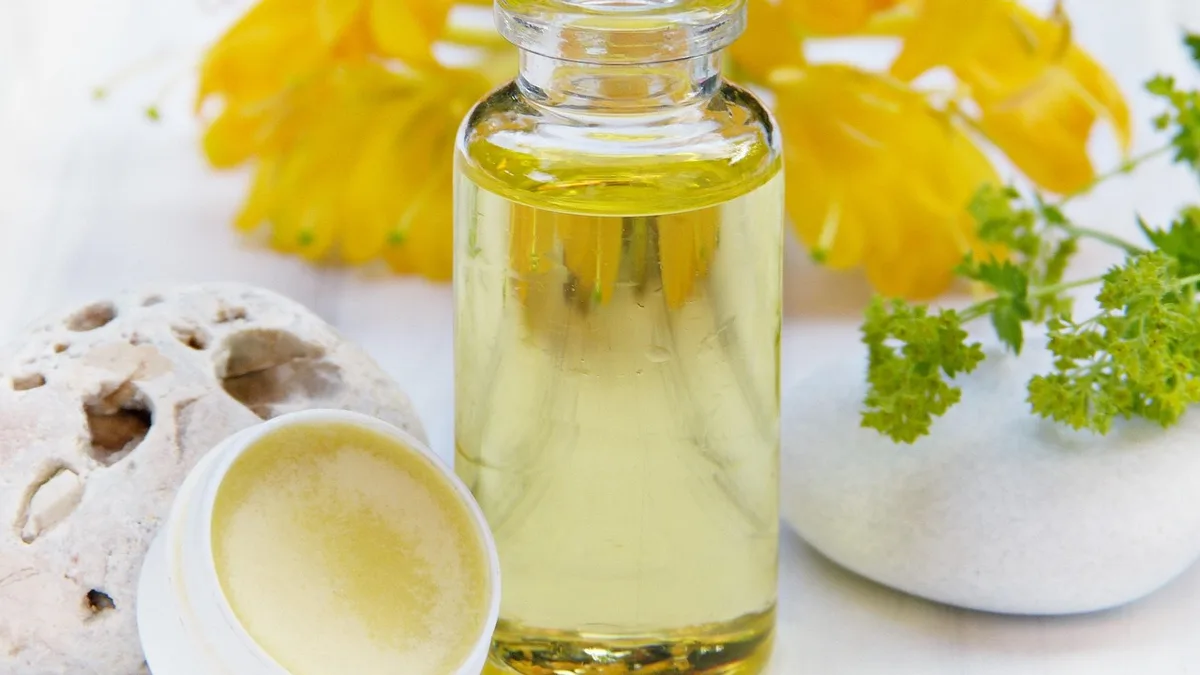
Lip balm regulation: protective formulation principles, oral ingestion toxicology, and EU PIF requirements. Lip balms and conditioning sticks protect the delicate vermilion border of the lips. Under Regulation (EC) No 1223/2009, lip care products are subject to unique toxicological scrutiny due to involuntary oral ingestion (estimated at 57 mg/day by the SCCS). Discover how to formulate and certify compliant lip care.

Published on July 13, 2026Read article →

Cosmetic GMP Compliance Check: ISO 22716 Good Manufacturing Verification
Cosmetics

Cosmetic GMP Compliance Check: ISO 22716 Good Manufacturing Verification

Cosmetic GMP compliance check: how to prepare, verify, and master your Good Manufacturing Practices under ISO 22716. Article 8 of Regulation (EC) No 1223/2009 requires all cosmetic production facilities to conform to Good Manufacturing Practices. Whether preparing for competent authority inspections (ANSM/DGCCRF) or qualifying contract manufacturers, discover our comprehensive compliance check roadmap.

Published on July 13, 2026Read article →
Hair Conditioner Regulation: Formulation & PIF Compliance
Cosmetics

Hair Conditioner Regulation: Formulation & PIF Compliance

Hair conditioner regulation: formulation principles, key conditioning agents, and EU regulatory standards. Hair conditioners and detangling balms are vital components of hair care routines, smoothing cuticle scales and eliminating electrostatic charges. Under Regulation (EC) No 1223/2009, cationic surfactants and high-water content demand strict Annex III concentration compliance and microbiological challenge testing. Discover our expert guide.

Published on July 13, 2026Read article →

Cosmetic PIF Regulatory Updates 2026: New EU Rules & Deadlines
Cosmetics

Cosmetic PIF Regulatory Updates 2026: New EU Rules & Deadlines

Cosmetic PIF regulatory updates 2026: all the European regulatory changes impacting your Product Information Files. European cosmetics regulation is a dynamic, continuously evolving framework. From microplastics restrictions and new fragrance allergen declarations to SCCS opinions on UV filters and Vitamin A caps, discover what cosmetic brands and Responsible Persons must do to keep PIFs compliant.

Published on July 13, 2026Read article →
Cosmetic PIF Regulatory Support: Turnkey End-to-End Guidance
Cosmetics

Cosmetic PIF Regulatory Support: Turnkey End-to-End Guidance

Cosmetic PIF regulatory support: personalized end-to-end guidance from formulation concept to lawful market launch. Compiling a European Product Information File (PIF) can appear daunting for beauty entrepreneurs and independent creators. Discover how Ecosmet's regulatory affairs team and qualified Safety Assessor streamline your path to full compliance under Regulation (EC) No 1223/2009.

Published on July 13, 2026Read article →
← Previous PagePage 5 of 5Next Page →